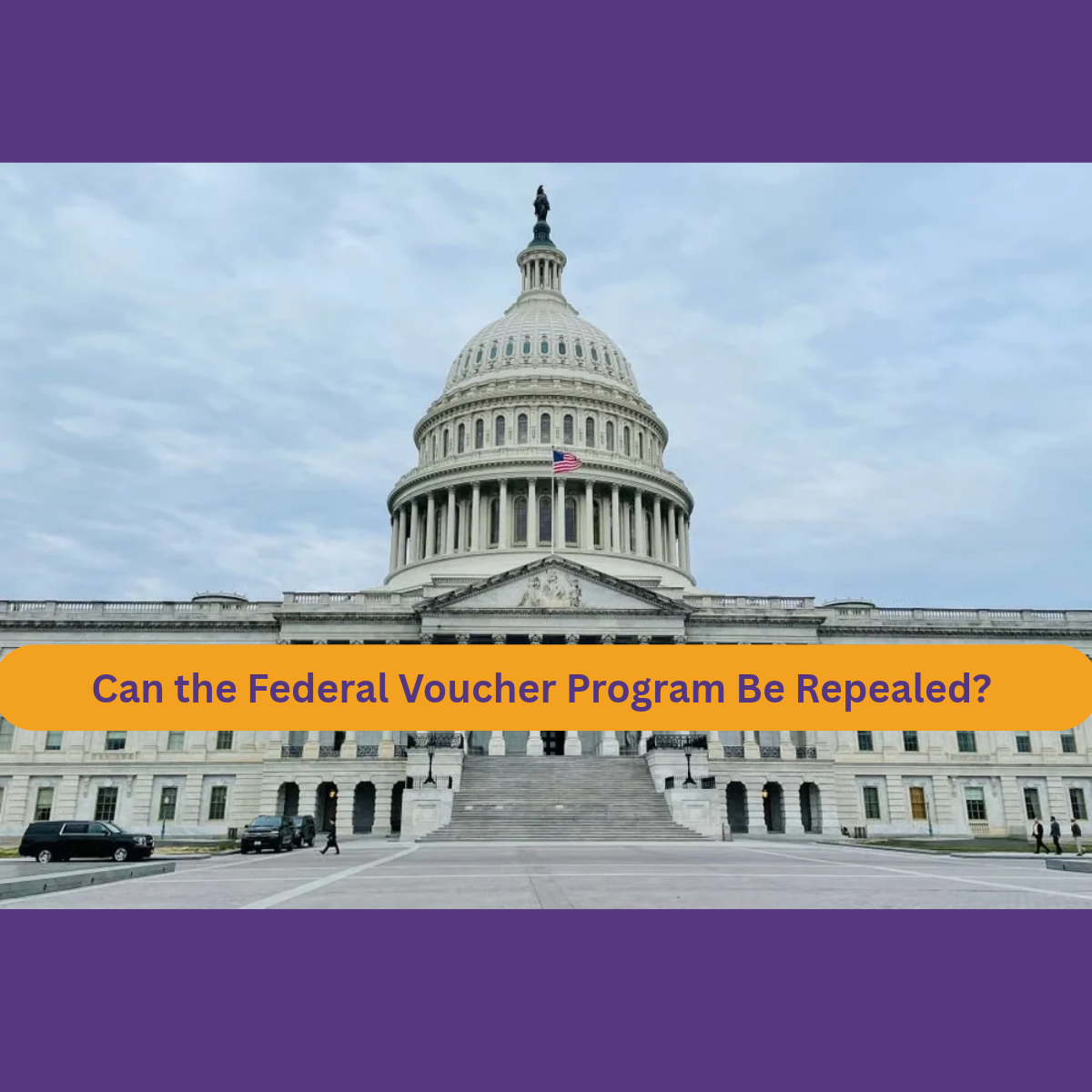
At the federal level, the Keep Public Funds in Public Schools Act was introduced in the House (H.R.9289) and Senate (S.4297) to repeal the federal voucher program. The landslide victories of public education supporters in this year’s election means that these bills have a very good chance of having enough support to override a presidential veto and become law. This repeal will stop this federal giveaway to private schools from harming NC public schools.
We need your help! Please encourage NC’s current congressional delegation to support public education by cosponsoring their chamber’s repeal bill. Three of North Carolina’s 14 House of Representatives members have already signed on as cosponsors: Rep. Alma Adams, Rep. Valerie P. Foushee, and Rep. Deborah Ross.
What Can You Do?
RIGHT NOW: Contact your US Senate and House members and encourage them to cosponsor the Keep Public Funds in Public Schools Act. We need enough support to ensure that the law is repealed in 2027. Use one of our email templates to send a customizable letter directly to the members who represent you. Contact other members directly via email or phone.
Use Guidelines for Making Calls on the Bill to Repeal the Federal Tax Credit Private School Voucher Program for tips and resources for making a case for repeal. The guidelines include phone numbers for NC’s US Senate and House members.
Submit a comment on the proposed FSTC regulations. The federal voucher comment portal is open until December 1. Everyone can submit an official comment to the Treasury department to share concerns about how this program will impact schools.
The Alliance to Reclaim our Public Schools (AROS) has created an outstanding comment-builder tool that makes it easy to create a properly cited public comment that you can copy and paste into the Treasury’s online form. Share this resource widely so the Treasury department receives a clear message of wide opposition to the federal voucher program.
IN JANUARY after all of the new members are sworn in January 3, reach out and encourage them to cosponsor the Keep Public Funds in Public Schools Act. We are fortunate to have elected strong public school supporters to represent NC at the federal level!
More on Federal Vouchers: Our June 13 and October 3 described the FSTC and how it redirects federal tax dollars to SGOs, which will then use the funds to grant vouchers to individuals to pay for education expenses. Because private schools already charge for their services, they are set up to benefit directly from the FSTC.
Public schools provide services free of charge, so they will not benefit from the FSTC unless they start charging fees for some services. However, North Carolina’s State Constitution requires the state to provide a free system of public education, so public schools will likely be able to charge fees for a limited set of expenses (e.g. extracurricular activities).
At its core, the FSTC is simply another way for private entities to siphon tax dollars away from public goods and into the private sector. Experience from multiple states with similar programs show that wealthy individuals are the primary beneficiary of vouchers.

The Treasury’s proposed regulations released on October 1 did not include specific guidelines on which public school expenses could be paid for with vouchers. However, the federal law makes it clear that vouchers must be used to pay for tuition, fees, or services that a school or organization is charging for. This means that public schools must START charging for services if they are to benefit from the voucher program. Below is a graphic that illustrates the complexity being introduced.
Public Schools First NC opposes charging families for any services that are needed to provide children with their constitutional right to a free, high-quality education.

The best option is to keep public funds in public schools so all students can benefit and families don’t need to jump through voucher hoops to receive services.
Additional Resources:
Briefing Guide: The Federal Tax Credit Voucher Program (In the Public Interest)